7 min read

From Job Management to Fire Alarm Testing: Where Joblogic and Nimbus Fit

From Job Management to Fire Alarm Testing: Where Joblogic and Nimbus Fit


Running an effective fire alarm servicing operation means getting two closely connected things right: managing the work efficiently and giving engineers the tools they need to carry it out, record it and evidence it properly.

From scheduling visits and allocating engineers to completing testing, reporting findings and keeping clients informed, there are a lot of moving parts. As a fire maintenance business grows, bringing those processes together becomes increasingly important.

But they don't necessarily need to be handled by the same technology.

Joblogic supports the wider service-management workflow, helping contractors organise jobs, engineers, clients and commercial processes. nimbusGo focuses specifically on the technical work taking place on site, connecting with compatible fire alarm control panels to support testing, servicing and the capture of panel activity.

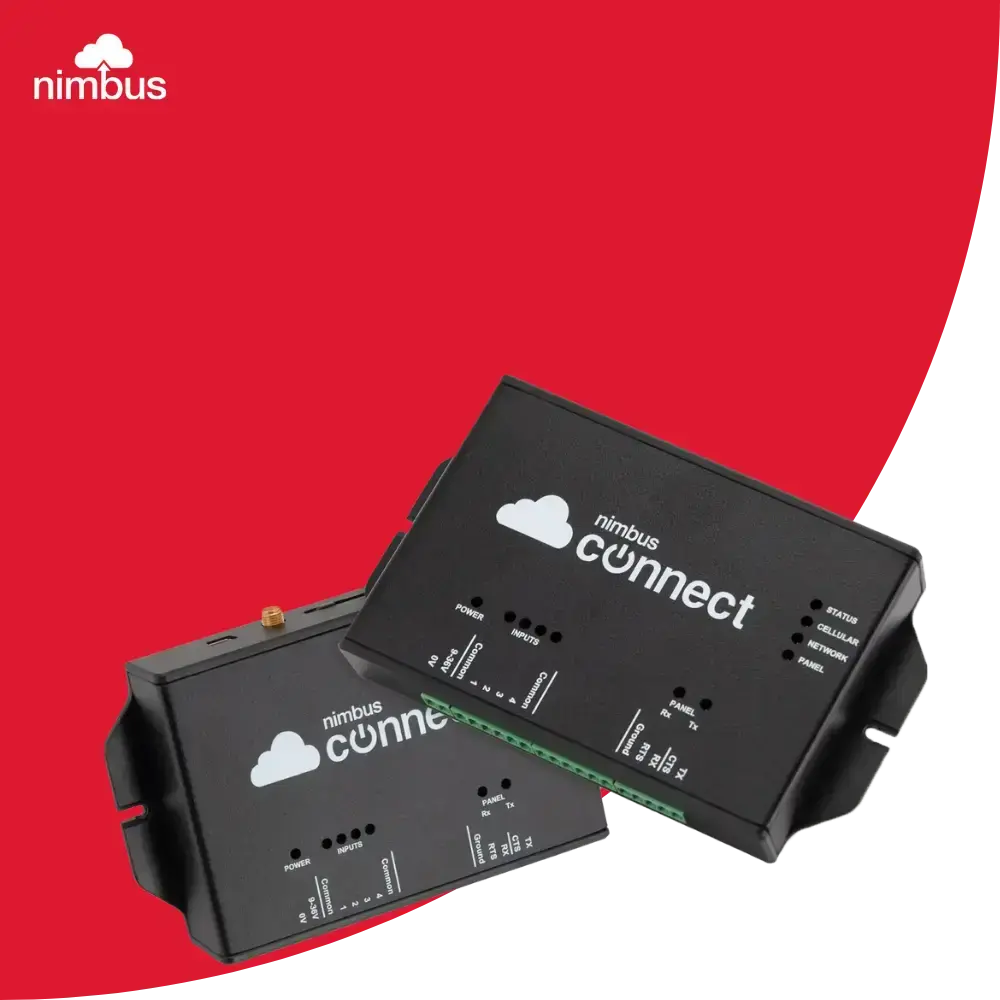
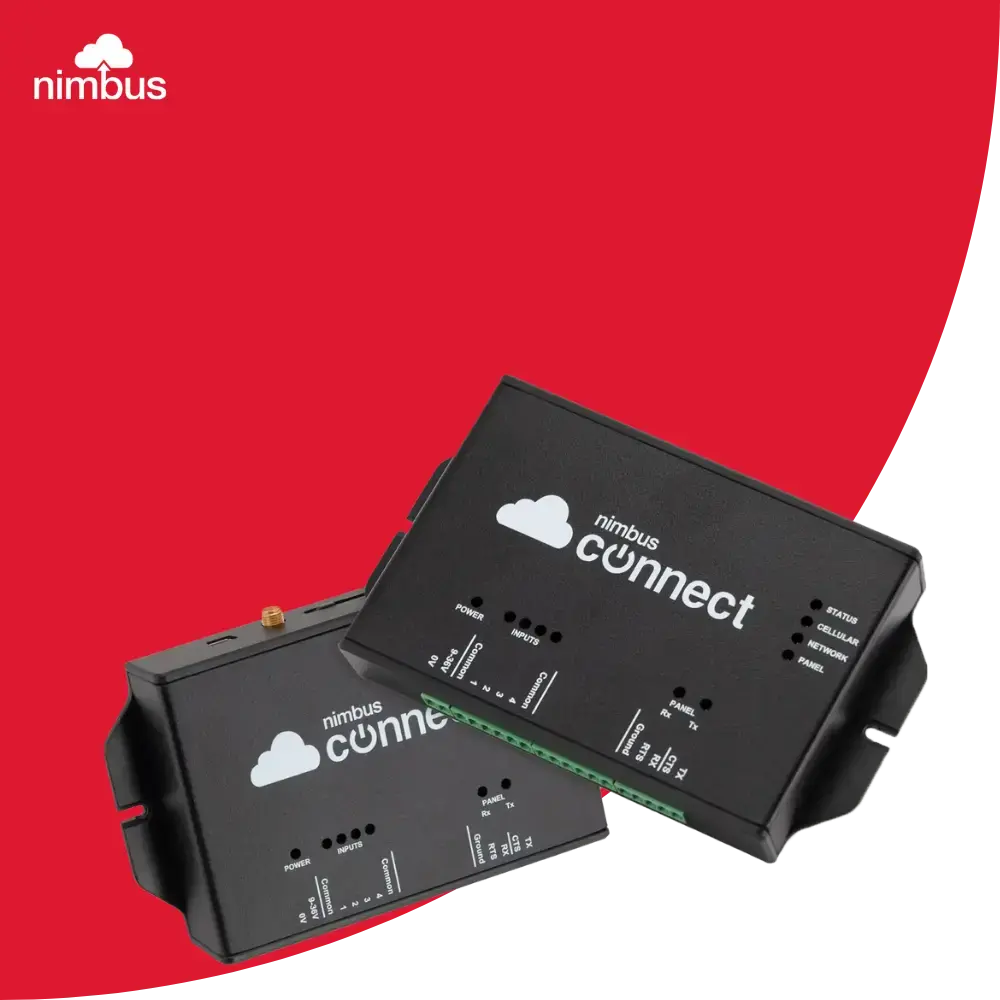
Nimbus Connect extends that visibility beyond the service visit, providing building teams with ongoing access to live fire system information.

Understanding those different roles makes it easier to see where each platform can add value within the same servicing operation.


One service workflow, different requirements

A typical fire alarm service visit starts well before an engineer arrives on site.

The job needs to be planned. An engineer needs to be allocated. Site and client information needs to be available. Once the visit is complete, records need to be stored, remedial work may need to be quoted and the work ultimately needs to flow through to invoicing.

Alongside that operational process is the technical work itself.

Engineers need to interact with the fire alarm system, work through devices and zones, understand what is happening at the control panel and create an accurate record of the testing carried out.

This is where the roles of Joblogic and Nimbus differ.

Where Joblogic fits

Joblogic is a field service management platform designed to help service businesses organise and manage work across the wider operation.

For a fire maintenance contractor, that can include:

  • job management and scheduling;
  • engineer allocation;
  • planned preventative maintenance;
  • asset and contract management;
  • mobile forms and service records;
  • client communication;
  • quoting and invoicing;
  • client access to service information.

The value is in bringing those operational processes together so that information can move more effectively from the office to the engineer, through the visit and back into the wider business.

For teams coordinating a growing number of engineers, clients and sites, reducing duplicated administration and creating a clearer view of planned and completed work can make a meaningful difference.

Where nimbusGo fits

nimbusGo addresses a different part of the process: the fire alarm testing and servicing activity happening on site.

The portable device connects directly to compatible fire alarm control panels, allowing engineers to access live panel activity while working around the building.

As testing takes place, information from the panel can be captured digitally, creating a timestamped record alongside the engineer's wider service information.

This helps reduce reliance on manually transferring panel information during the visit and gives engineers greater visibility of what's happening at the fire alarm control panel while they're working elsewhere in the building.

For contractors, the benefit isn't simply the technology itself. It's the opportunity to make elements of the servicing process easier to manage, easier to evidence and, where the site and working arrangements allow, more efficient to deliver.


How the two platforms support the servicing workflow

Looking at the different stages of a service visit makes the distinction clearer.

Workflow

Joblogic

Nimbus

Job planning

Scheduling, engineer allocation and recurring PPM

Outside nimbusGo's core role

Engineer information

Job information, forms and service documentation through the engineer workflow

Panel and system information available during testing

On-site fire alarm testing

Supports the wider digital service workflow

nimbusGo connects directly to compatible fire alarm panels and captures panel activity

Zone verification

Supports servicing documentation

nimbusGo can support engineers during the zone verification process

Service evidence

Digital job records, forms and certificates

Timestamped, panel-derived records alongside service information

Asset information

Asset and equipment records within the service-management system

Information can be generated from compatible panel configuration data

Reporting

Service and job reporting

Test information captured during the visit can contribute to end-of-visit reporting

Commercial workflow

Quoting, client approval and invoicing

Outside nimbusGo's core role

Between service visits

Maintains the wider service and client record

Nimbus Connect provides ongoing visibility of fire-panel activity

Seen in this way, it isn't necessarily a question of choosing one approach over another.

The two technologies are designed to solve different requirements within the same service operation.


Helping engineers work more effectively on site

A significant amount of an engineer's time can be spent moving between the devices being tested and the fire alarm control panel, recording information and bringing everything together at the end of the visit.

On larger or more complex sites, those small tasks can add up.

nimbusGo gives the engineer access to live information from a compatible fire alarm panel while they move around the building. As devices are operated, panel activity can be viewed and captured without the engineer needing to return to the control panel simply to check what has happened.

That can support several practical improvements.

Fewer unnecessary journeys to the panel

Giving engineers remote visibility of panel activity can reduce repeated trips between the area being tested and the control panel.

Clearer capture of testing activity

Panel activity is captured digitally as the engineer works, creating a timestamped record associated with the visit.

Rather than replacing the engineer's expertise or wider service documentation, this provides an additional layer of traceability around the testing activity itself.

Supporting one-engineer workflows where appropriate

On suitable sites, nimbusGo can support testing workflows that do not require a second engineer to remain at the fire alarm control panel purely for zone verification.

Whether that approach is appropriate will always depend on the site, system, scope of work and relevant safety arrangements. But where those conditions are right, reducing unnecessary engineer involvement can help contractors make better use of skilled time.

More efficient reporting

Capturing information during the visit also reduces the amount that needs to be reconstructed afterwards.

That matters because efficiency isn't simply about completing the physical test more quickly. It's about considering the whole servicing process, including the administration and reporting that surrounds it.


Creating a clearer compliance trail

Efficiency matters, but in fire safety it cannot come at the expense of confidence in the work being carried out.

Service records need to provide a clear account of what was done and support the contractor, client and other stakeholders when that information is needed later.

This is where direct panel connectivity can add another layer of value.

By capturing panel activity as testing takes place, nimbusGo provides a timestamped record that can sit alongside the contractor's wider service documentation.

The distinction is important, but it doesn't need to be framed as a choice between traditional records and digital evidence.

Good service documentation depends on the engineer's expertise and the processes surrounding the visit. Panel-derived data complements that expertise by providing another source of traceable information about the activity recorded by the fire alarm system itself.


Supporting BS 5839-1 servicing requirements

BS 5839-1 sets out recommendations for fire detection and fire alarm systems in non-domestic premises, including their servicing and maintenance.

nimbusGo has been designed to support engineers with elements of the servicing and zone-verification process, including the requirements addressed within Clause 43.3.25.

By giving the engineer access to information captured directly from a compatible fire alarm control panel, nimbusGo can help create a clearer record of testing activity while supporting an efficient servicing workflow.

Technology doesn't replace the knowledge, judgement or responsibilities of the competent person carrying out the work. Instead, its role is to make the information they need more accessible and the work they complete easier to evidence.


Extending visibility beyond the service visit

A service visit is only one point in the life of a fire alarm system.

Between scheduled visits, alarms, faults, isolations, weekly tests and other system events can all occur. For organisations responsible for multiple buildings, maintaining visibility across those systems can become increasingly difficult.

This is the role of Nimbus Connect.

Nimbus Connect provides ongoing connectivity to compatible fire alarm systems, giving authorised users access to live system information and notifications when relevant events occur.

That shifts the conversation from simply keeping a historical service record to creating greater day-to-day visibility of what's happening across an estate.

For building and estate teams, that can make it easier to identify issues, understand system activity and keep a consistent digital record across multiple sites.

For maintenance contractors, it can also support a more informed relationship with their clients because conversations can begin with a clearer picture of what has been happening within the system.


Bringing the operational and technical picture together

For fire maintenance businesses, improving service delivery rarely comes down to one piece of software.

A scheduling system won't carry out the technical work of the engineer. Fire alarm testing technology won't manage invoicing, engineer diaries or commercial contracts.

The more useful question is:

Where is unnecessary friction occurring in the servicing workflow?

For some contractors, the priority may be the operational side: bringing scheduling, job management, client communication and invoicing into a more connected process.

That's where a field service management platform such as Joblogic can play an important role.

For others, the opportunity may be on site: reducing repeated journeys to the panel, improving how test activity is captured or giving engineers better access to fire system information as they work.

That's where nimbusGo has been designed to help.

And for clients looking for greater visibility between service visits, Nimbus Connect addresses another requirement again: helping teams understand what's happening across their fire systems on an ongoing basis.

For some businesses, those needs will naturally sit alongside one another.


What could this look like in practice?

Consider a contractor responsible for servicing fire alarm systems across a large portfolio of commercial buildings.

The operations team needs visibility of upcoming visits, engineer availability, service history and outstanding work.

A field service management platform such as Joblogic can coordinate that operational workflow, from planning the visit through to completing the commercial process afterwards.

When the engineer arrives on a compatible site, nimbusGo supports a different part of the job.

Connected to the fire alarm panel, it gives the engineer access to panel activity while they move through the building. Testing information can be captured as the work takes place, giving the contractor a timestamped record associated with the visit and helping reduce unnecessary manual processes.

Once the engineer leaves, Nimbus Connect can provide another level of visibility where it is installed, allowing building teams to monitor relevant fire-system activity between scheduled service visits.

It's one service relationship, but three different requirements:

Managing the work.
Supporting the engineer.
Maintaining visibility of the system.

Understanding those distinctions helps contractors choose technology based on the outcomes they actually need rather than expecting one platform to solve every part of the process.


Where should you start?

The right technology depends on where the greatest opportunity for improvement exists today.

If engineering teams are spending too much time coordinating jobs, managing paperwork or moving information between office systems, reviewing the wider field service management workflow may be the right starting point.

If the priority is improving how fire alarm testing is carried out, reducing unnecessary manual processes and creating greater traceability around service activity, it may be worth exploring what nimbusGo could add to the engineering workflow.

And if building or estate teams need better visibility of fire systems between scheduled service visits, Nimbus Connect can help provide that ongoing connection.

There isn't necessarily a single answer.

The goal is to understand the requirement first and introduce technology where it can make a meaningful difference.

If you'd like to explore whether nimbusGo or Nimbus Connect could support your current servicing operation, speak with the Nimbus team to discuss your requirements or arrange a demonstration.

Uptick and Nimbus: A Smarter Way to Run Fire Alarm Servicing from Quote to Compliance

Uptick and Nimbus: A Smarter Way to Run Fire Alarm Servicing from Quote to Compliance

Managing a fire maintenance business involves both commercial coordination and specialist technical work. Scheduling, engineer allocation, client...

Read More
Fire Safety Compliance Tools for Property Managers in 2026

Fire Safety Compliance Tools for Property Managers in 2026

Managing fire safety across a property portfolio means coordinating information, people, contractors and systems across multiple buildings.

Read More
A modern approach to fire alarm systems

A modern approach to fire alarm systems

Key Takeaways Managing fire alarms across different buildings, each with its own system and service provider, is rarely straightforward. Nimbus...

Read More